
Water Heater & Tankless Maintenance: Why Once a Year Protects Your Investment (Plus Your Main Shut-Off Valve)
Quick answer: Have your water heater serviced at least once a year. Tankless units need yearly inspection, descaling, and cleaning of the blower and igniter because water runs through small coils that scale up fast in Bakersfield’s hard water. Tank water heaters need a yearly flush to remove sediment that makes the burner overwork. And know where your main water shut-off valve is: test it once or twice a year, and if it is an old gate valve, consider upgrading to a quarter-turn ball valve.
A water heater is one of the hardest-working appliances in your home, and one of the easiest to forget about until the morning there is no hot water. A little maintenance once a year keeps it running efficiently, helps it last years longer, and lowers the chance of a leak or breakdown. Here is what that maintenance looks like for tankless and tank water heaters, plus one more thing every homeowner should know how to use: the main water shut-off valve.
Why should water heaters be serviced at least once a year?
Bakersfield has hard water, meaning it carries dissolved minerals like calcium and magnesium. When water is heated, those minerals come out of the water and build up inside the heater. Over a year, that buildup is enough to reduce efficiency, strain parts, and shorten the life of the unit. Yearly service removes it before it causes damage, and it gives a plumber the chance to catch small problems, like a weeping fitting or a worn part, before they turn into an emergency.
Many manufacturers also recommend yearly maintenance, and some warranties depend on it, so check the manual for your unit.
Tankless water heaters: why yearly service matters
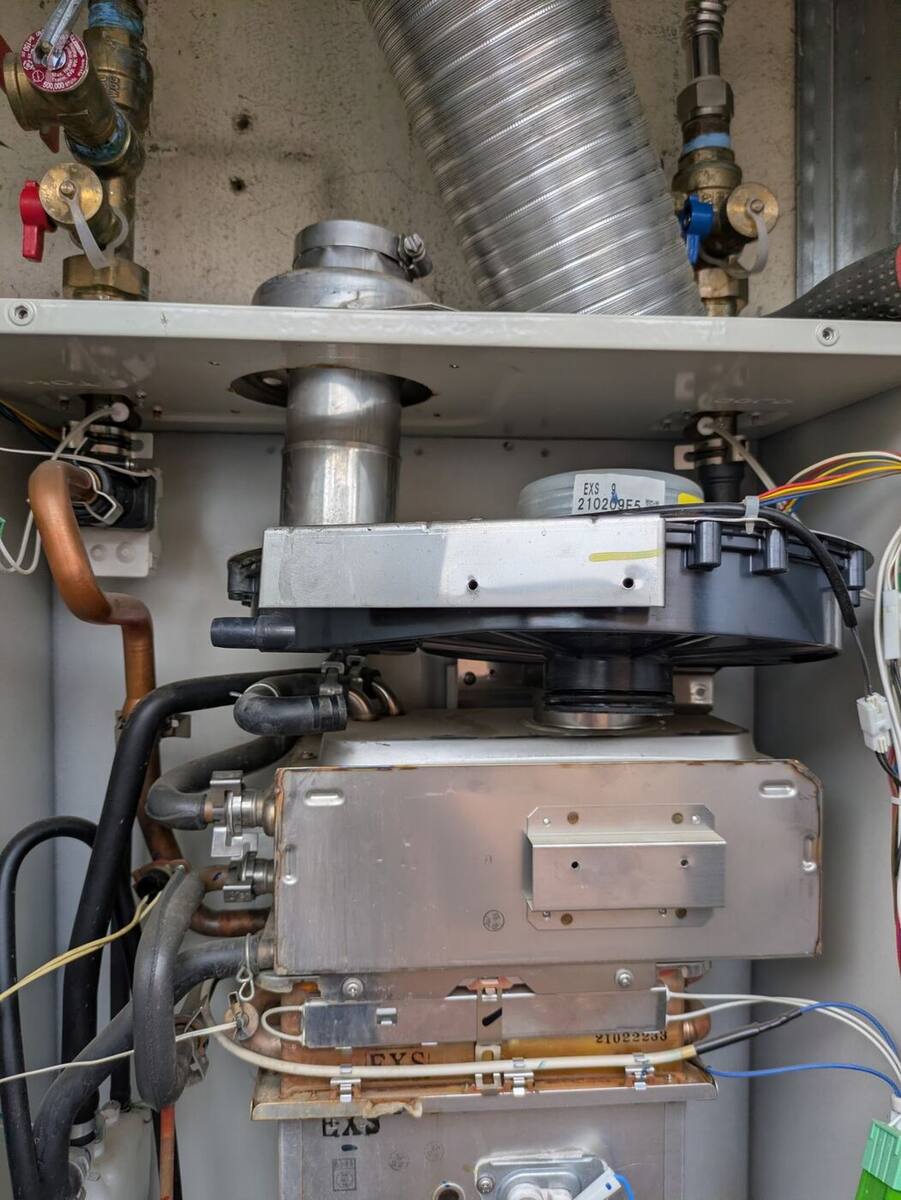
A tankless water heater does not store hot water. Instead, it heats water instantly as it flows through a heat exchanger made of small coils and narrow passages. That design is what gives you endless hot water, and it is also why maintenance matters. Because the passages are small, even a thin layer of mineral scale restricts flow and makes the unit work harder. Left alone, scale can cause error codes, fluctuating water temperature, reduced hot water, and eventually damage to the heat exchanger.
What tankless maintenance includes
- Inspection for damage. We check the unit, venting, gas and water connections, and the inside of the cabinet for leaks, corrosion, and wear.
- Cleaning and descaling. The heat exchanger is flushed to dissolve the mineral scale that builds up in the coils, and the inlet water filter is cleaned.
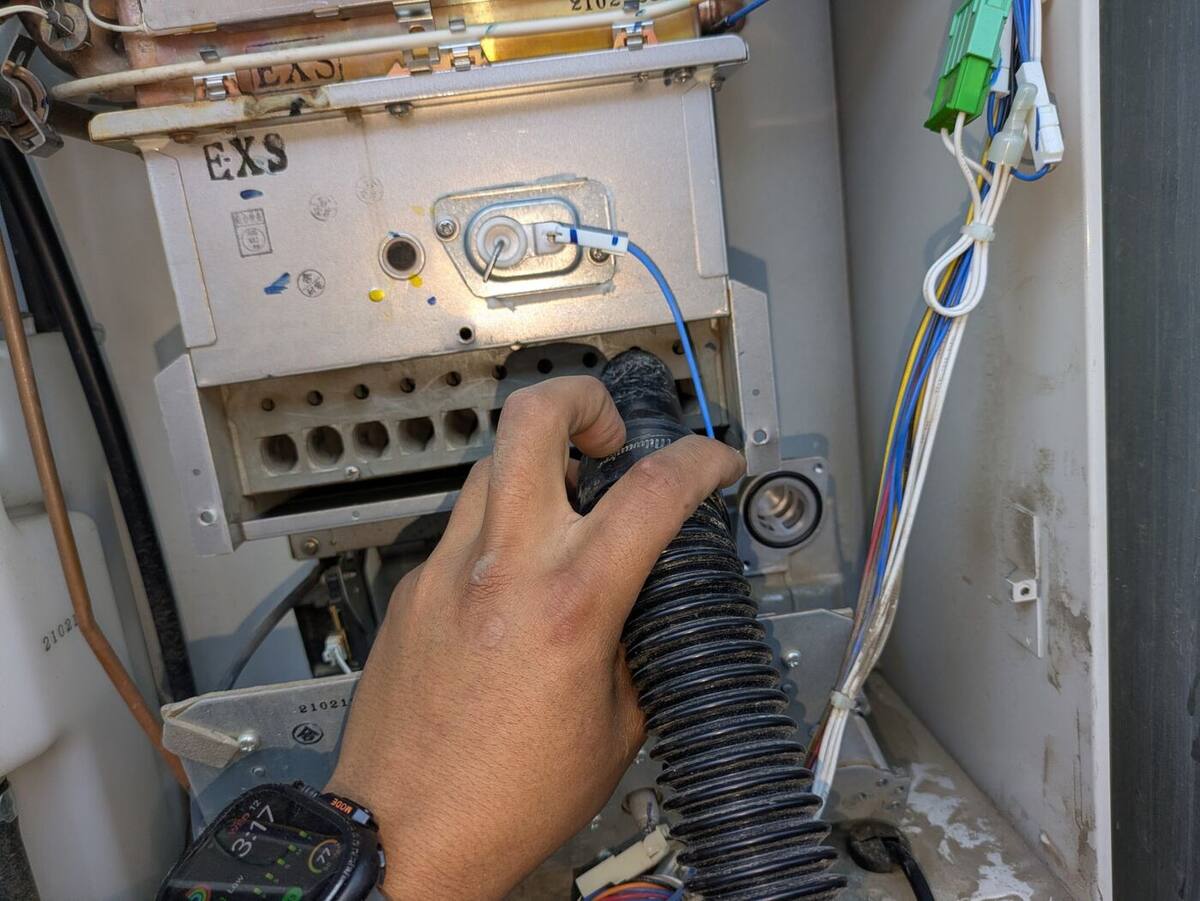
- Blower cleaning. The blower (fan) moves air for combustion. Dust and debris on the blower affect how cleanly and efficiently the unit burns.
- Igniter cleaning. A clean igniter lights the burner reliably. A dirty one can cause delayed ignition and “no hot water” errors.
- Burner area cleaning. Dust, cobwebs, and debris are removed from the burner compartment.
Tank water heaters: the problem with sediment
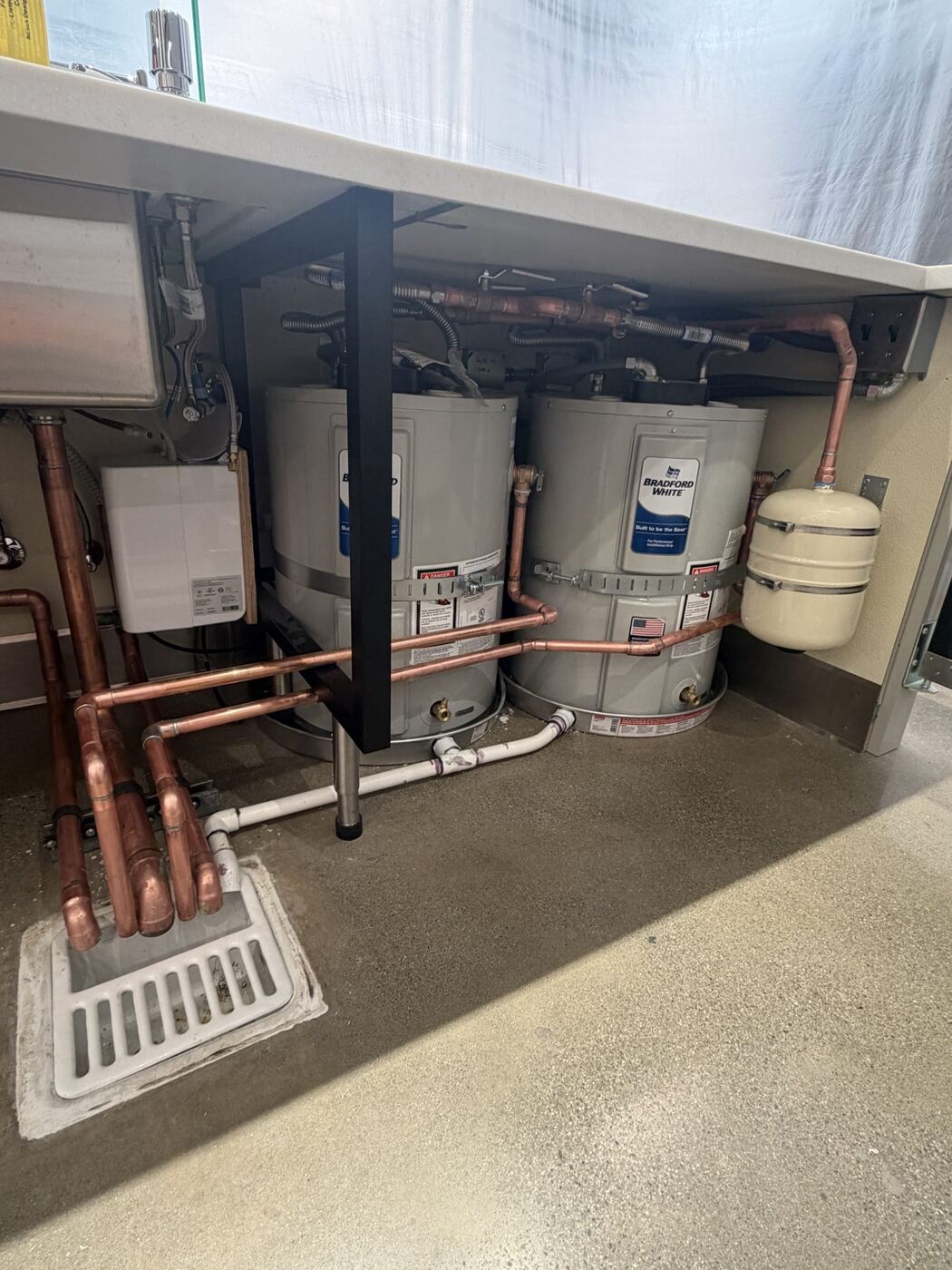
In a traditional tank water heater, sediment is the main enemy. Sediment is made of heavy mineral particles that settle out of the water. Over time, it piles up on the bottom of the tank, right on top of where the burner heats the water.
That creates a layer between the flame and your water. The burner assembly has to heat all of that sediment first before the heat ever reaches the water. The result is a burner that overworks: it runs longer, uses more gas, and puts extra stress on the bottom of the tank. Over the years, that is one of the most common reasons a tank water heater wears out early or starts leaking.
Signs your water heater has sediment buildup
- Popping, crackling, or rumbling sounds while it heats
- Hot water that runs out sooner than it used to
- Waiting longer for the water to get hot
- Rusty, cloudy, or gritty hot water
- Higher gas bills with no change in how you use hot water
What tank water heater maintenance includes
A yearly service flushes the tank to remove sediment, checks the anode rod (the part that protects the tank from rusting), tests the temperature and pressure relief valve, and inspects the burner, venting, gas connection, and water connections for leaks or wear.
Your main water shut-off valve: what every homeowner should know
Protecting your investment is not only about the water heater. When a pipe bursts, a water heater leaks, or a fitting fails, the single most important thing you can do is shut off the water to the house, fast. That is the job of your main shut-off valve.
What is the main shut-off valve for?
The main shut-off valve controls all the water coming into your home. Closing it stops water to every faucet, toilet, appliance, and pipe in the house at once. You use it in an emergency to stop a leak from flooding your home, and plumbers use it to work on your system safely.
Where can you find it on your property?
In most Bakersfield homes, the main shut-off is outside, where the water line comes up out of the ground and enters the house. Look along the front or side of the house closest to the street, often near a hose bib, like the valves in the photos below. In some homes it is in the garage near the water heater, or inside a small access panel.
There is also a valve inside the water meter box near the curb. That valve belongs to the water provider and usually needs a special meter key, so the valve at your house is the one you should know how to use.
Gate valve vs. ball valve: what is the difference?
| Gate valve | Ball valve | |
|---|---|---|
| Handle | Round wheel | Straight lever |
| How to shut it off | Many turns clockwise | One quarter turn |
| Is it open or closed? | Hard to tell by looking | Lever across the pipe means closed |
| Reliability with age | Can corrode, seize, or not fully close | Seals tightly and rarely sticks |
| Best for an emergency | Slow, may fail | Fast and dependable |
Many older homes still have gate valves. Inside, a gate valve uses a metal gate that slides down to block the water. After years of sitting open, minerals and corrosion build up, so the handle gets stiff, the stem leaks, or the gate does not seal all the way. Some even break when someone finally tries to close them in an emergency.
A ball valve uses a ball with a hole through it. A quarter turn of the lever rotates the ball and stops the water completely. It is quicker, easier, and far more dependable when you are standing in water and need it to work the first time.
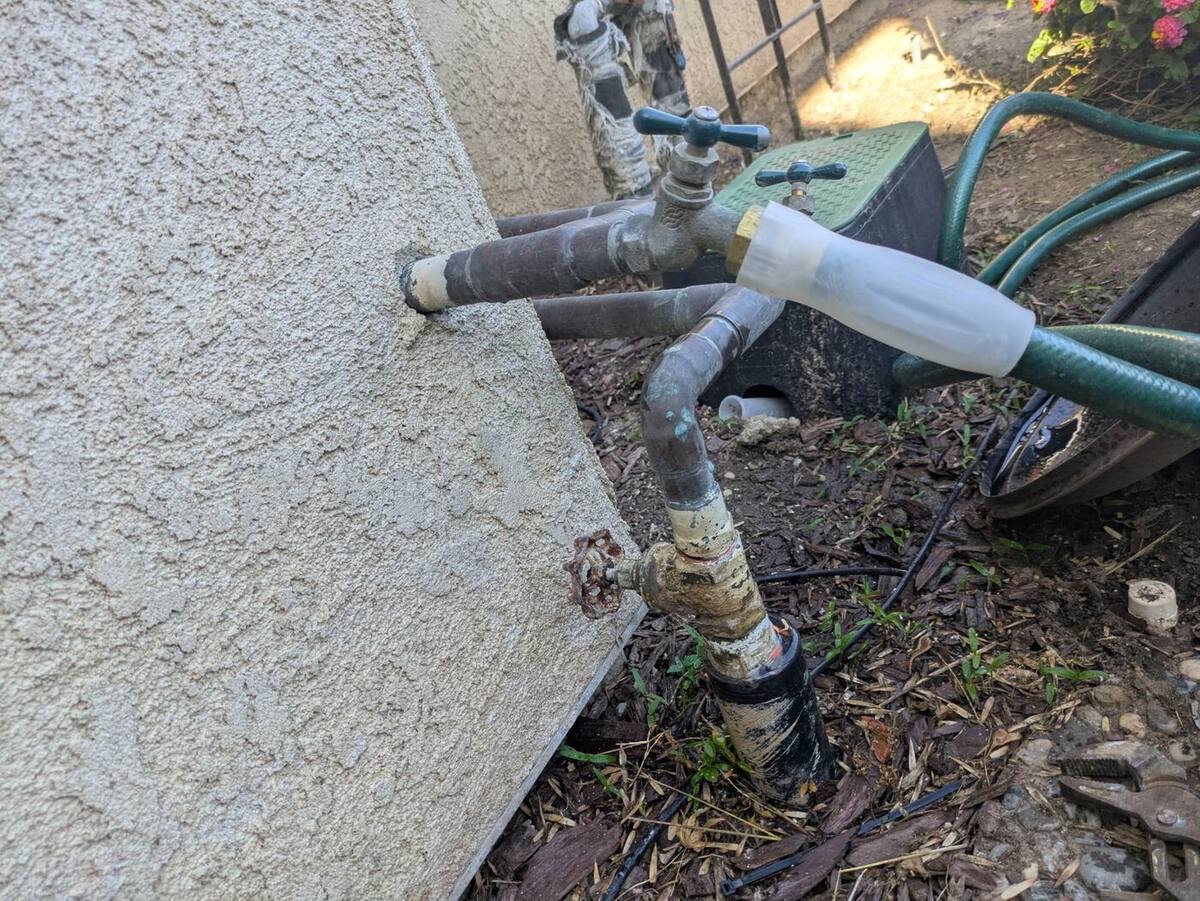
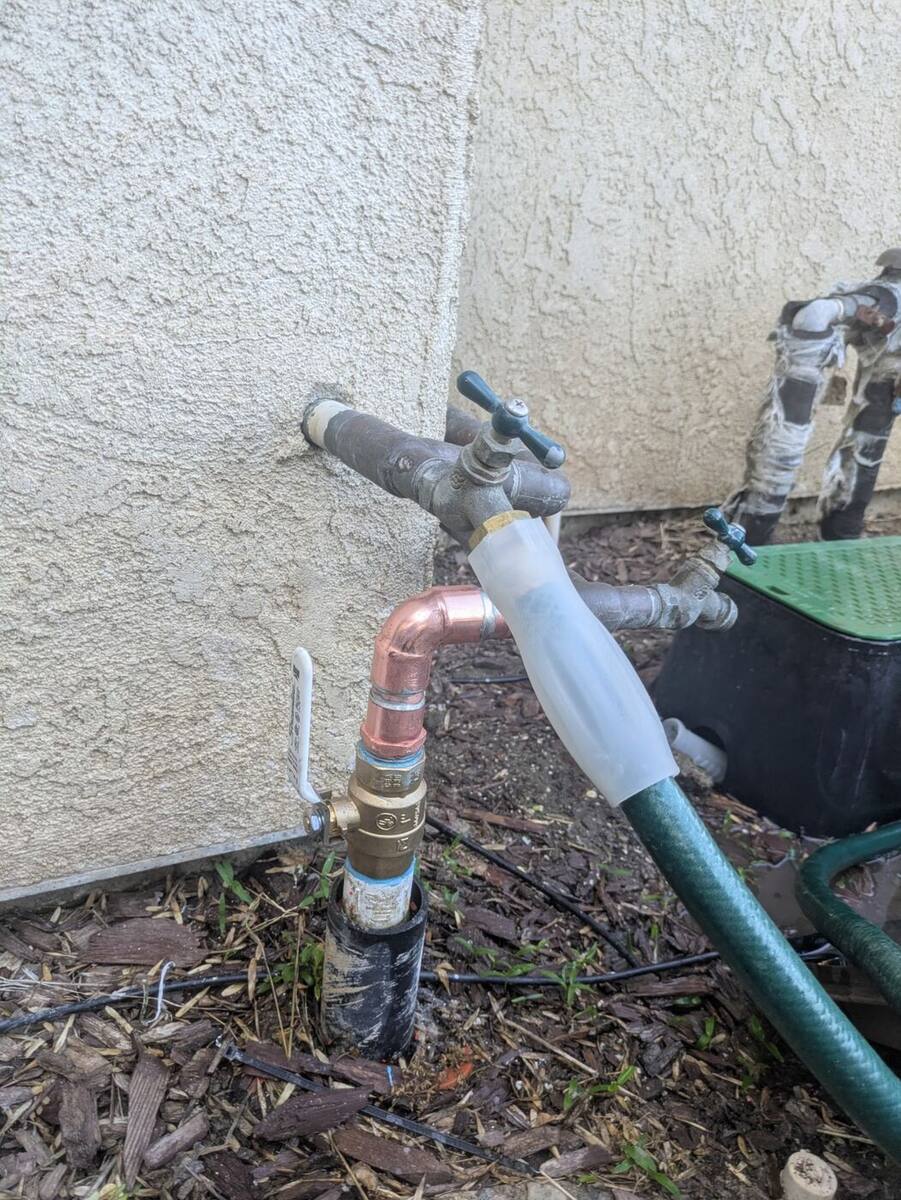
Why is it important to check that it works?
You only need a shut-off valve in the worst moments, and that is exactly when you find out it does not work. A valve that has not been touched in years can be seized, leaking, or unable to stop the water completely. Testing it ahead of time means you know where it is, you know it works, and you are not losing precious minutes while water spreads through your home.
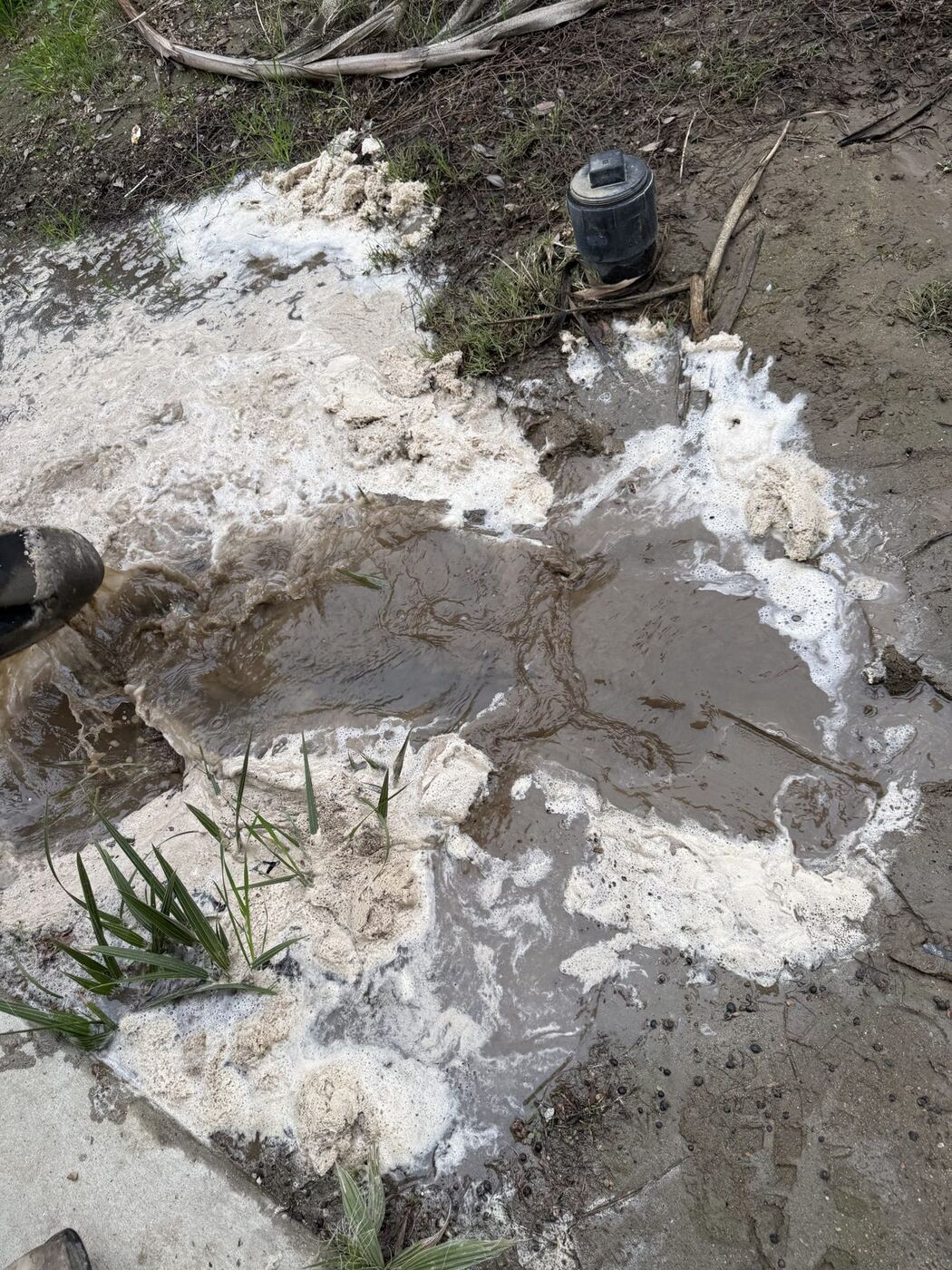
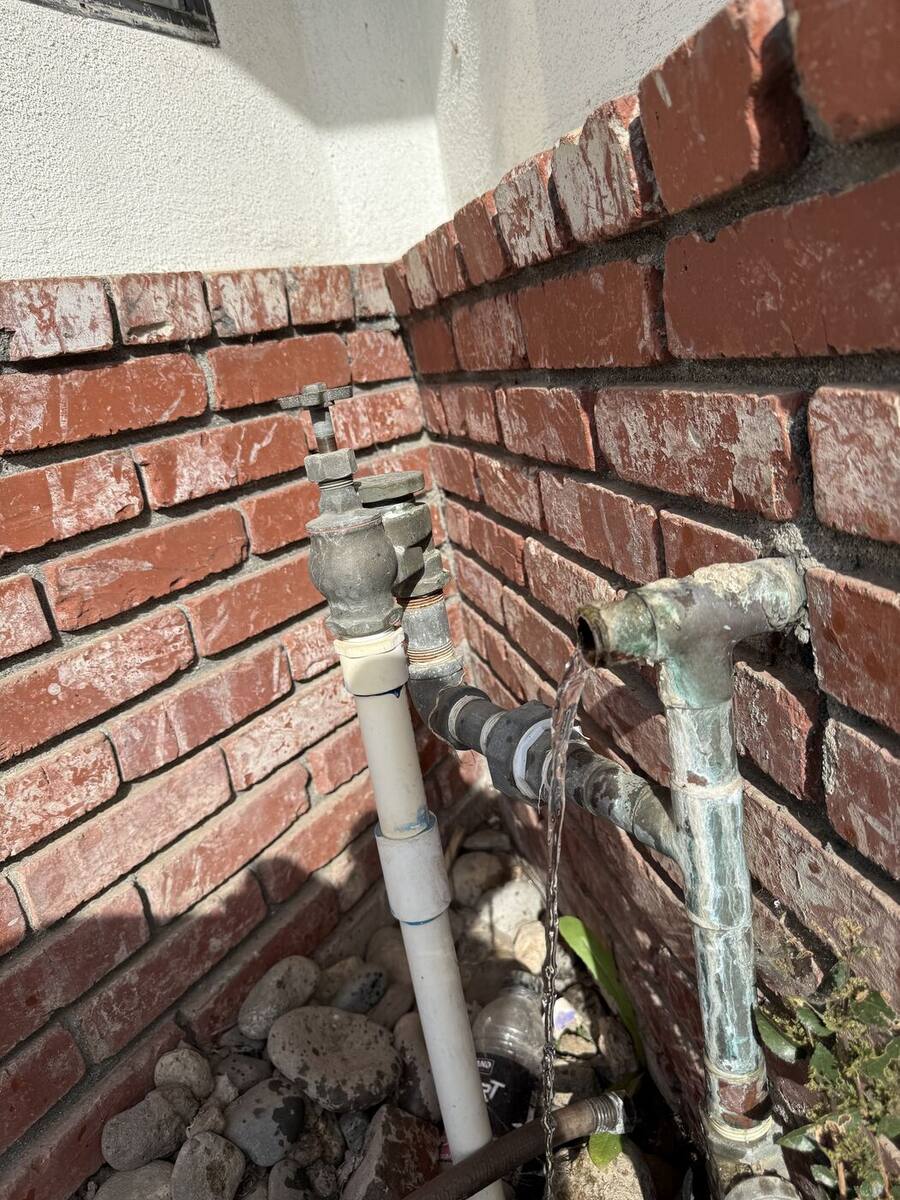
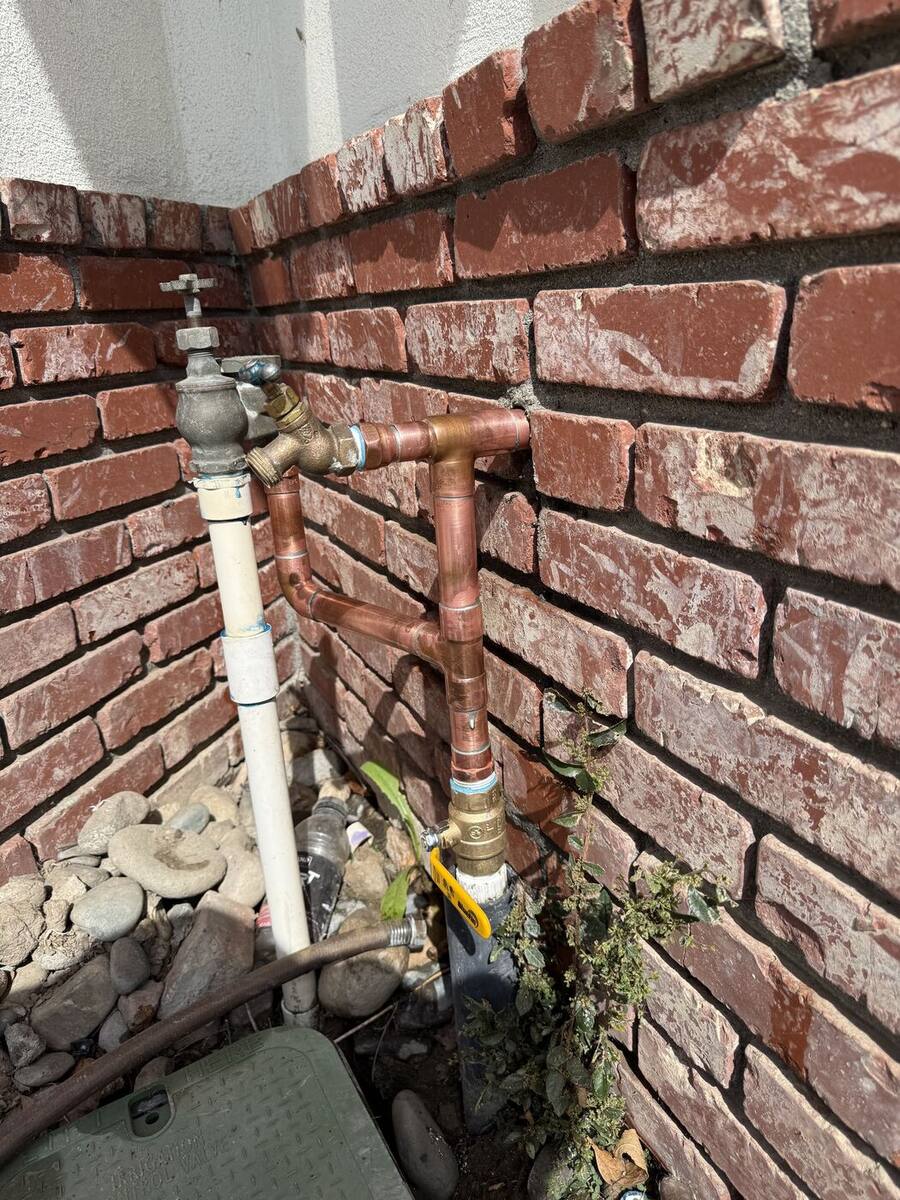
Corrosion around the valve and pipe is also a warning sign. In the job below, the old line had corroded to the point that water was spraying from a fitting. We replaced it with new copper and a new ball valve.
How to test your main shut-off valve
- Find the valve where the water line enters your home.
- Turn it off: a quarter turn for a ball valve (lever across the pipe), or clockwise until it stops for a gate valve. Do not force a gate valve that will not move.
- Open a faucet inside. The water should slow to a stop within a few seconds.
- Turn the valve back on and close the faucet.
- Check the valve for drips around the handle.
If the valve is stiff, leaks, will not turn, or does not fully stop the water, call a plumber to replace it. A ball valve upgrade is a small job that can save you from a very expensive one.
How to protect your investment: a yearly checklist
- Schedule water heater service at least once a year (tank or tankless).
- Listen for popping or rumbling from a tank water heater.
- Watch for error codes or temperature swings on a tankless unit.
- Find your main shut-off valve and make sure everyone in the house knows where it is.
- Test the shut-off valve once or twice a year.
- Upgrade an old gate valve to a quarter-turn ball valve.
- Look for corrosion, green or white crust, or drips on exposed pipes and fittings.
Water heater service in Bakersfield and surrounding areas
Day and Night Plumbing Solutions services tank and tankless water heaters and replaces main shut-off valves for homes and businesses in Bakersfield and surrounding areas. We offer free estimates, we answer 24/7, and hablamos español. Schedule your yearly water heater service online or see our water heater services.
Frequently asked questions
How often should a tankless water heater be serviced?
At least once a year. Water runs through small coils and narrow passages inside a tankless unit, and in hard-water areas like Bakersfield, mineral scale builds up there quickly. Yearly service includes inspection, descaling, and cleaning the blower and igniter.
How often should a tank water heater be flushed?
At least once a year. Flushing removes the sediment that settles on the bottom of the tank, which otherwise makes the burner work harder and shortens the life of the heater.
What are signs of sediment in a water heater?
Popping or rumbling sounds while it heats, hot water that runs out sooner than it used to, longer wait times for hot water, rusty or cloudy hot water, and rising gas bills.
Is a ball valve better than a gate valve for a main water shut-off?
For most homes, yes. A ball valve shuts off with a quarter turn, shows at a glance whether it is open or closed, and is less likely to seize. Older gate valves can corrode, stick, or fail to close completely when you need them most.
Where is the main water shut-off valve in a Bakersfield home?
Usually outside where the water line comes up out of the ground and enters the house, often near the front hose bib or along the side of the house closest to the street. There is also a valve in the meter box at the curb, but that one belongs to the water provider and usually needs a special key.
How often should I test my main shut-off valve?
Once or twice a year. Turn it off, open a faucet to confirm the water stops, then turn it back on. If it is stiff, leaks at the handle, or does not fully stop the water, have it replaced.